Collectors
Xanthates (ethyl, butyl, and isobutyl), dithiophosphates, thionocarbamates, hydroxamic acids, and fatty-acid collectors.
 GCG Mining Services
Mining Chemicals, Plant Solutions, Global Supply
GCG Mining Services
Mining Chemicals, Plant Solutions, Global Supply
Base Metal Flotation Reagents
We support flotation reagent selection for copper, lead, zinc, gold, and silver circuits, from sulfide ores to selected oxide-ore routes. Our engineers review ore samples, process conditions, and the current reagent scheme before matching collectors, frothers, modifiers, and auxiliary reagents from trusted suppliers.
Simple Overview
We primarily support reagent sourcing and technical communication for plants engaged in non-ferrous metal ore flotation. Product discussions can begin with your ore type, flotation objectives, and the current operational challenges your team is looking to improve.
Xanthates (ethyl, butyl, and isobutyl), dithiophosphates, thionocarbamates, hydroxamic acids, and fatty-acid collectors.
No. 2 oil, MIBC, and ether-alcohol frothers.
pH modifiers (lime and sodium carbonate), activators (copper sulfate), and depressants (sodium silicate and CMC).
Leaching aids, filter aids, defoamers, and biocides.
Selection Basis
A practical recommendation begins with the target mineral, feed characteristics, flotation stage, pulp conditions, and the performance of the current reagent route. These inputs help narrow the product type before laboratory or plant comparison.
| Reagent group | Main role | Discussion focus |
|---|---|---|
| Collectors | Promote target-mineral attachment | Mineralogy, selectivity, recovery, and concentrate grade |
| Frothers | Control bubble and froth behavior | Froth stability, carryover, cell conditions, and water quality |
| Modifiers | Adjust activation, depression, and pH | Separation target, pulp chemistry, and competing minerals |
| Auxiliary reagents | Support conditioning and downstream handling | Process bottleneck, filtration, foam control, and plant constraints |
Product List
The following items are drawn from real sample materials and represent common reagent routes for inquiry, selection discussion, and follow-up technical communication.
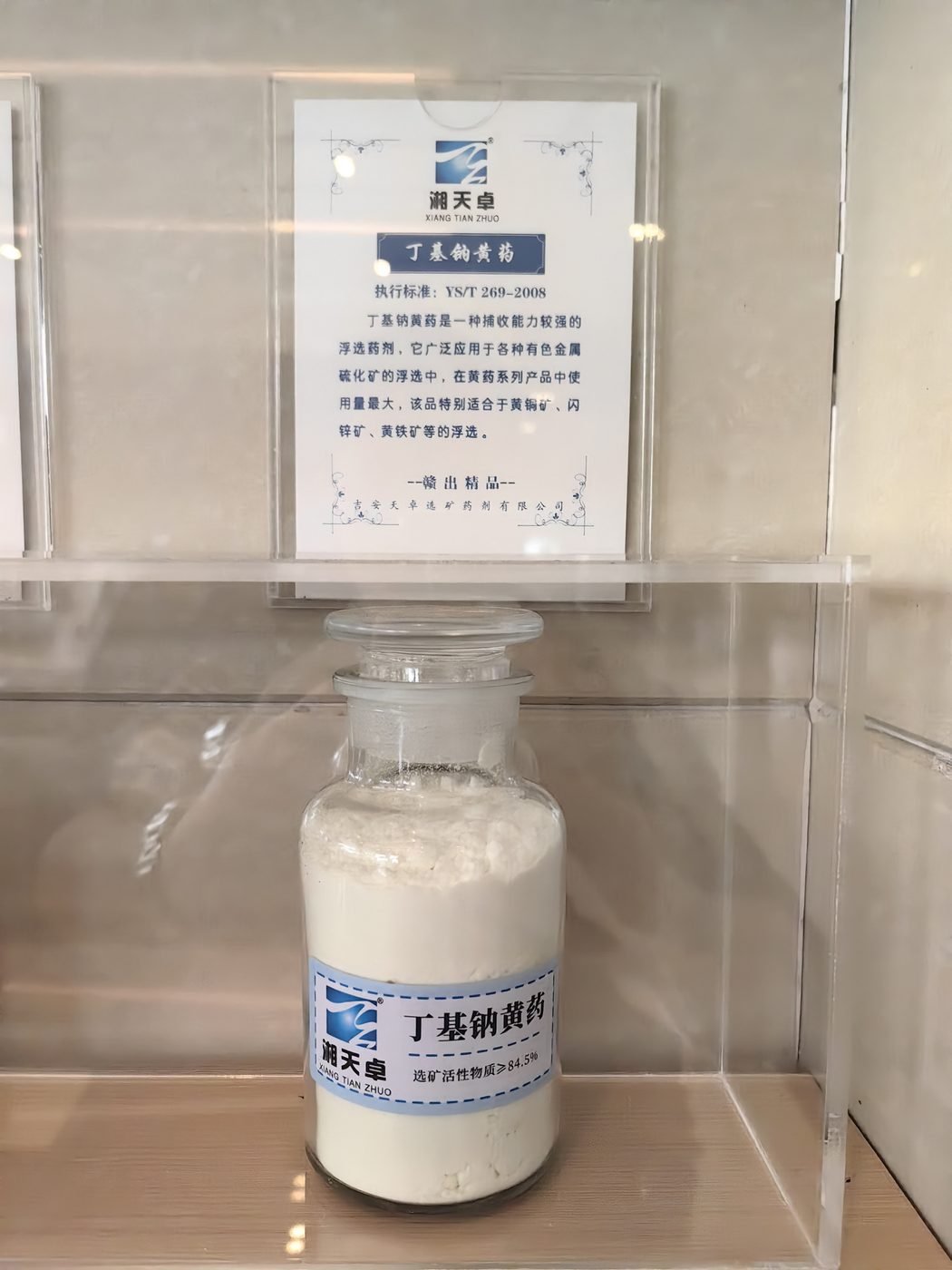
Commonly referenced collector for sulfide ore flotation applications.
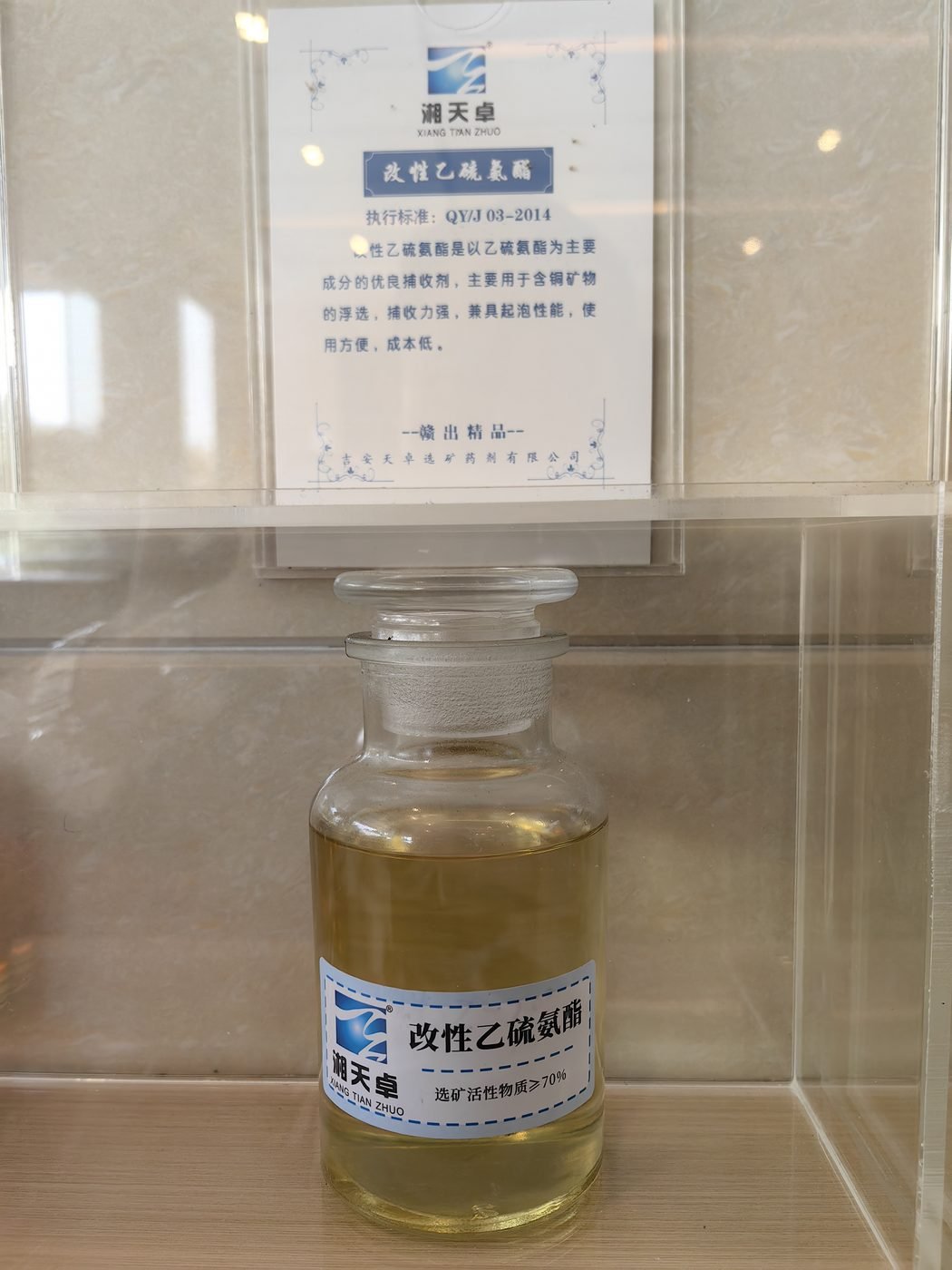
Used in circuits where stronger collection performance and easier handling are valued.
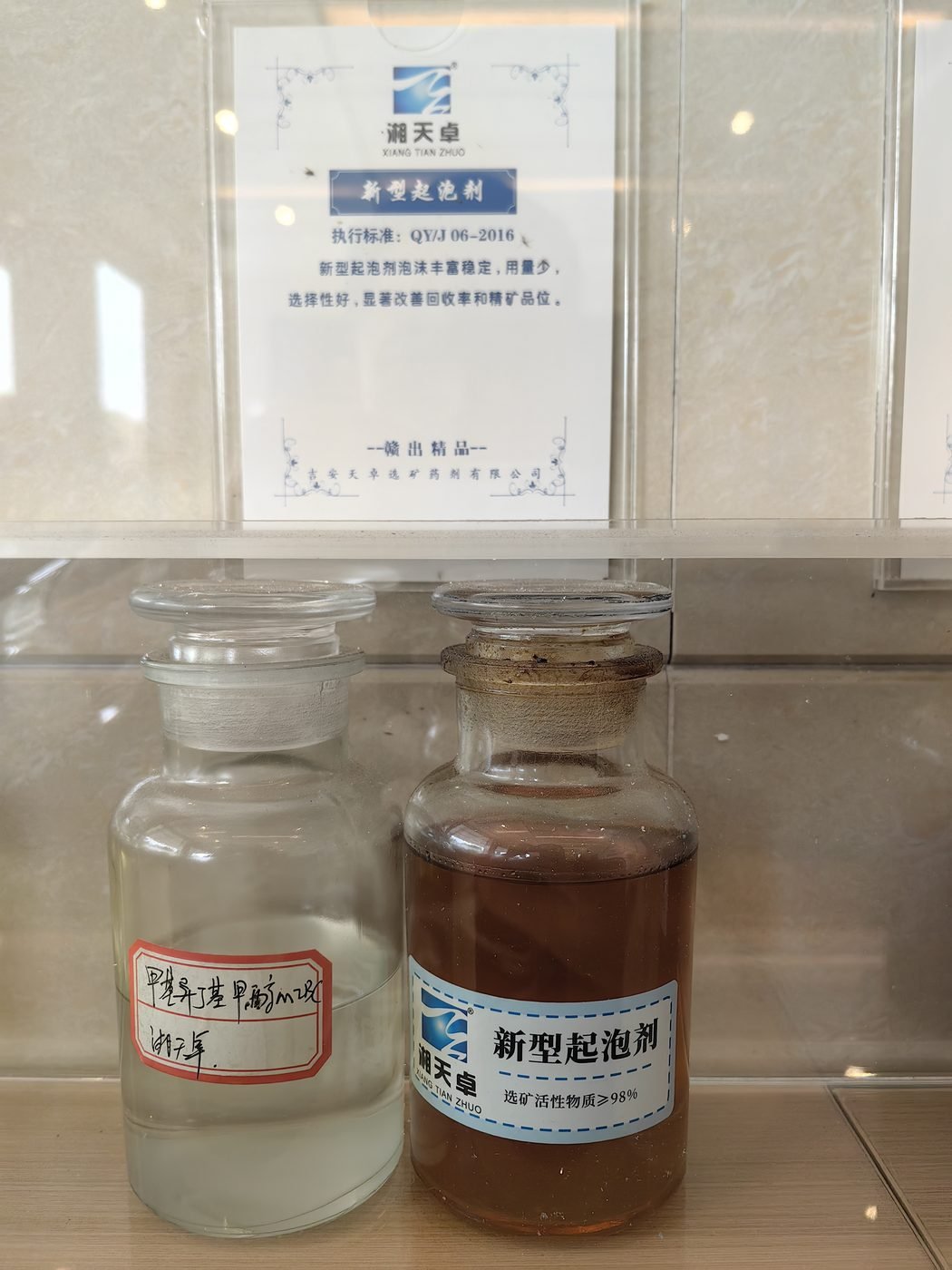
Shown as a frother option for plants that need steadier foam performance.
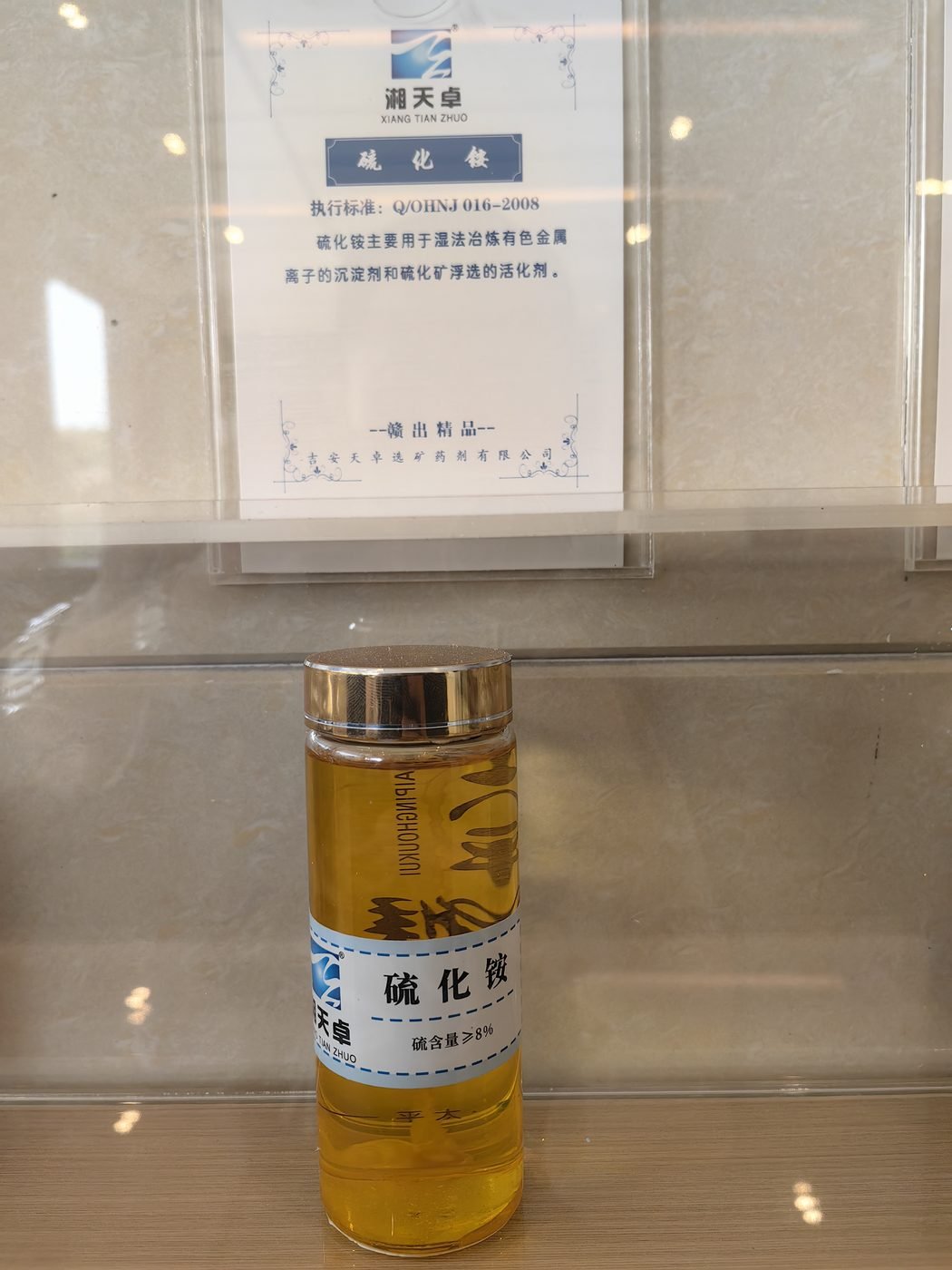
Representative frother sample from the current product set.
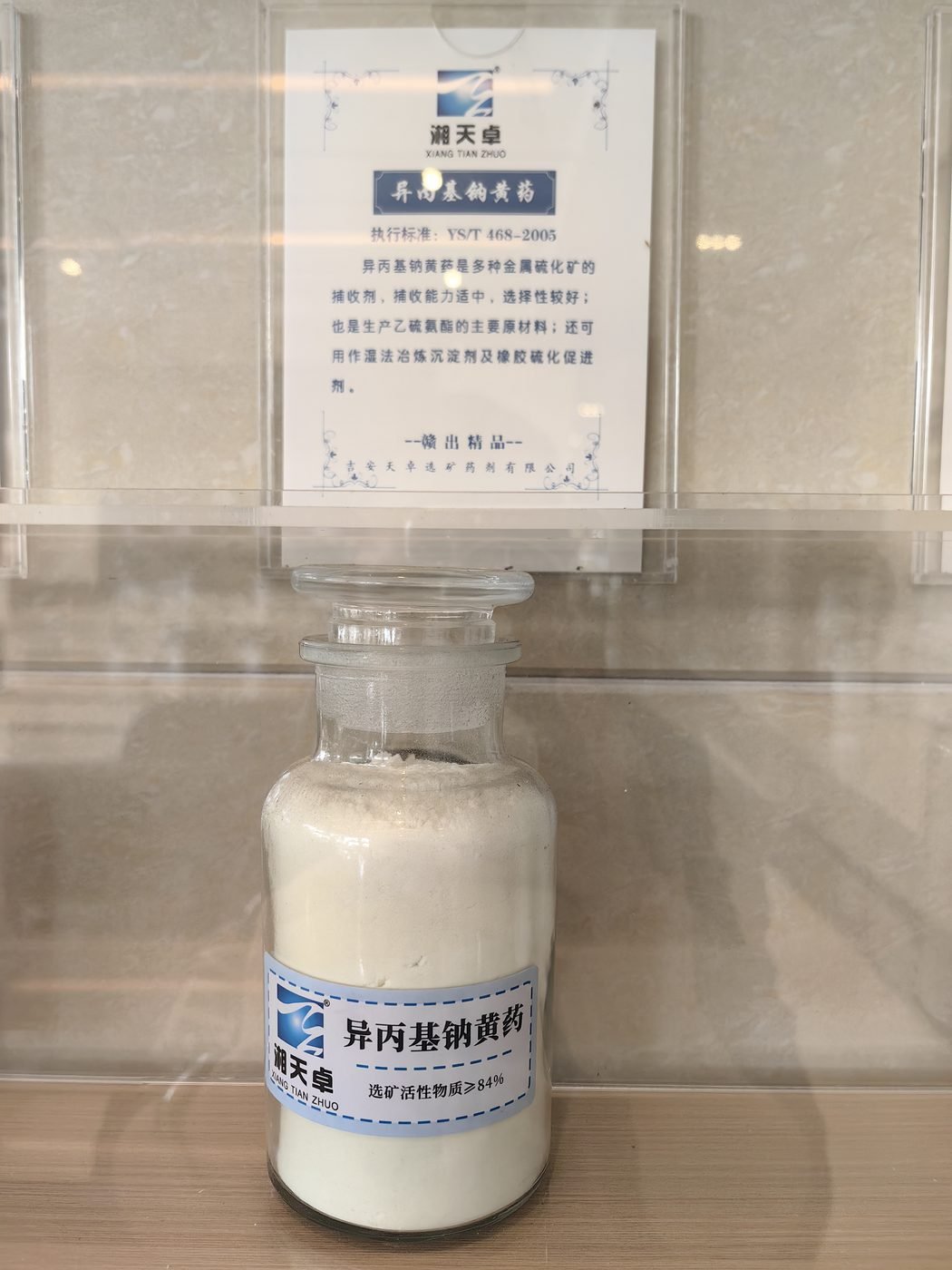
Can be discussed for relevant flotation or wet-processing application routes.
Further product matching can be discussed based on ore type and flotation target.
Common Questions
No. Mineralogy, oxidation, pH, water chemistry, and the required selectivity can change the preferred route.
Share the target metal, ore type, feed grade, particle size, pH, current reagents, dosage, and operating result.
Sample evaluation can be discussed after the existing circuit and test objective are clear.
Available specifications, packaging, COA, MSDS, and export documentation depend on the selected product.
Quick Inquiry
If you want to discuss flotation reagents, send the target metal, ore type, current product used, and the main issue you are facing in flotation. We can then continue with a more practical product discussion.