High turbidity and slow sedimentation
Fine or unstable particles can leave overflow cloudy and slow down recycle performance across ponds and return-water systems.
 GCG Mining Services
Mining Chemicals, Plant Solutions, Global Supply
GCG Mining Services
Mining Chemicals, Plant Solutions, Global Supply
Water Treatment Chemicals
We support mining projects that need cleaner overflow, faster tailings sedimentation, better solid-liquid separation, steadier return-water quality, and a practical PAM, PAC, or PFS route for slurry and wastewater treatment.
On-Site Challenge
Most sites do not simply need a bag of flocculant. They need a treatment route that can stay workable as ore feed, suspended solids, pH, and recycle targets keep changing.
Fine or unstable particles can leave overflow cloudy and slow down recycle performance across ponds and return-water systems.
Poor reagent matching can lead to slower filtration, wetter cake, and higher handling pressure in thickening and dewatering stages.
Water quality often shifts with ore source, flotation chemistry, season, and plant load, so one fixed dosage plan rarely stays ideal.
Sites increasingly need clearer return water, steadier reuse rates, and tighter control before reuse or discharge.
Selection Basis
Mining water treatment chemicals should be discussed against actual water or slurry conditions. A selection review normally starts with suspended solids, pH, turbidity, settling behavior, and whether the target is clarification, dewatering, reuse, or discharge handling.
| Product | Main role | Selection focus |
|---|---|---|
| PAM | Flocculation and solid-liquid separation | Ionic type, molecular range, slurry character, and dewatering target |
| PAC | Coagulation and suspended-solids removal | Turbidity, pH, water composition, and clarification stage |
| PFS | Coagulation in selected wastewater conditions | Impurity type, pH window, settling behavior, and downstream handling |
Main Water Treatment Products
We supply three commonly used product routes for mining water treatment, helping clients handle clarification, coagulation, flocculation, and sludge-handling needs across different site conditions.
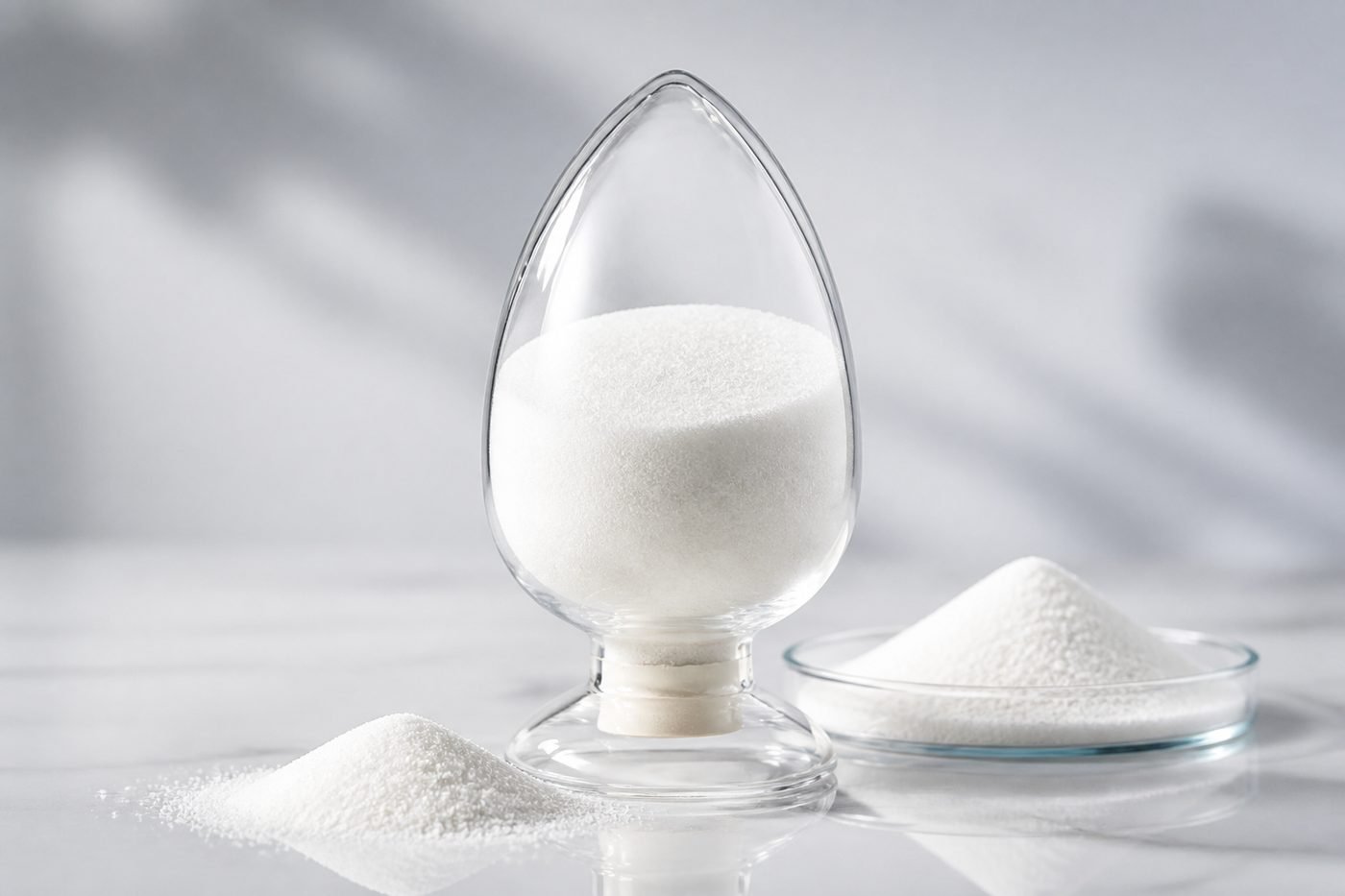
Used as a flocculant in clarification, settling, and sludge dewatering. Different grades can be matched to slurry conditions and separation targets.
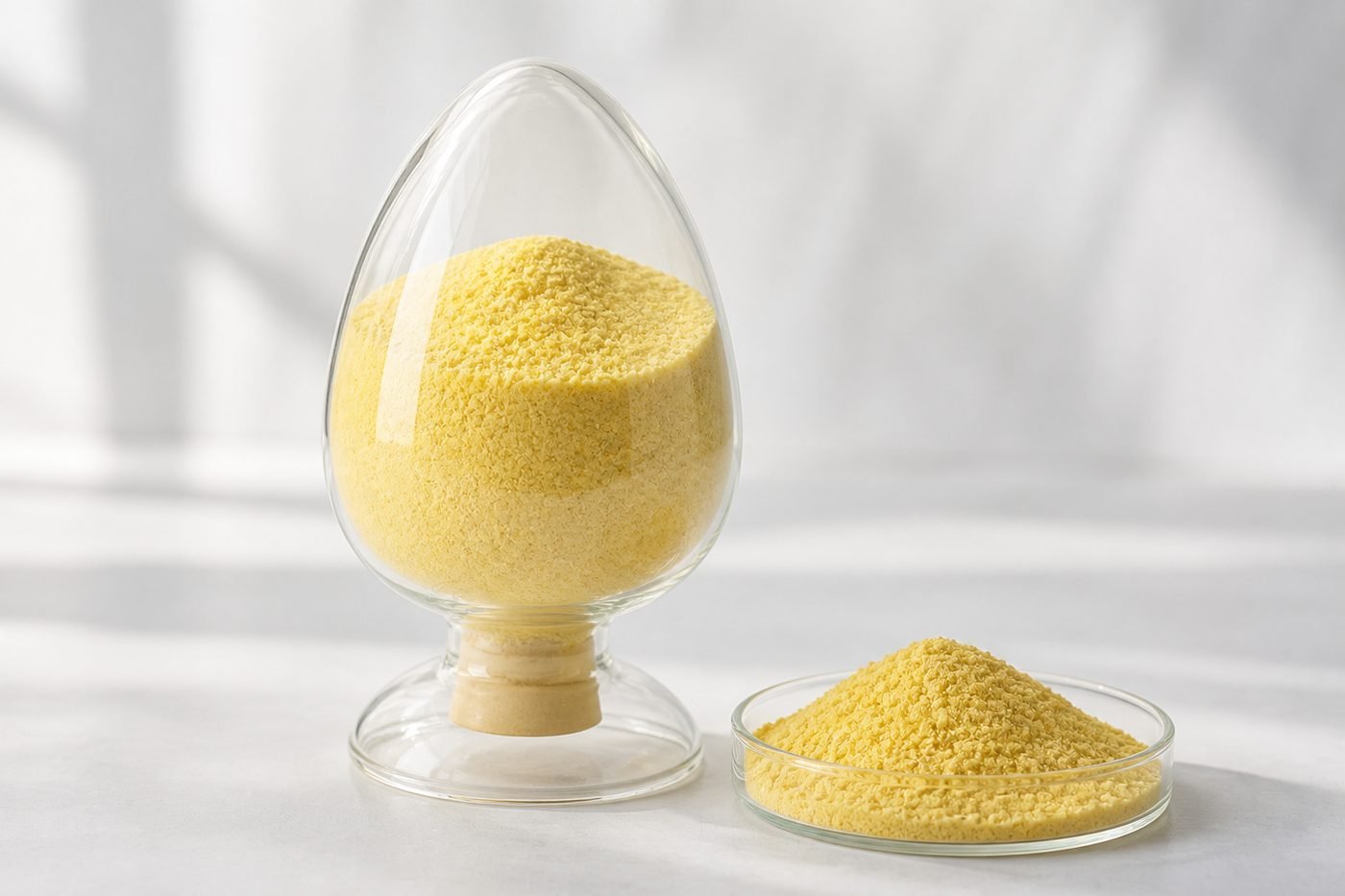
Used as a coagulant to improve suspended-solids removal and support clearer water in pretreatment and clarification stages.
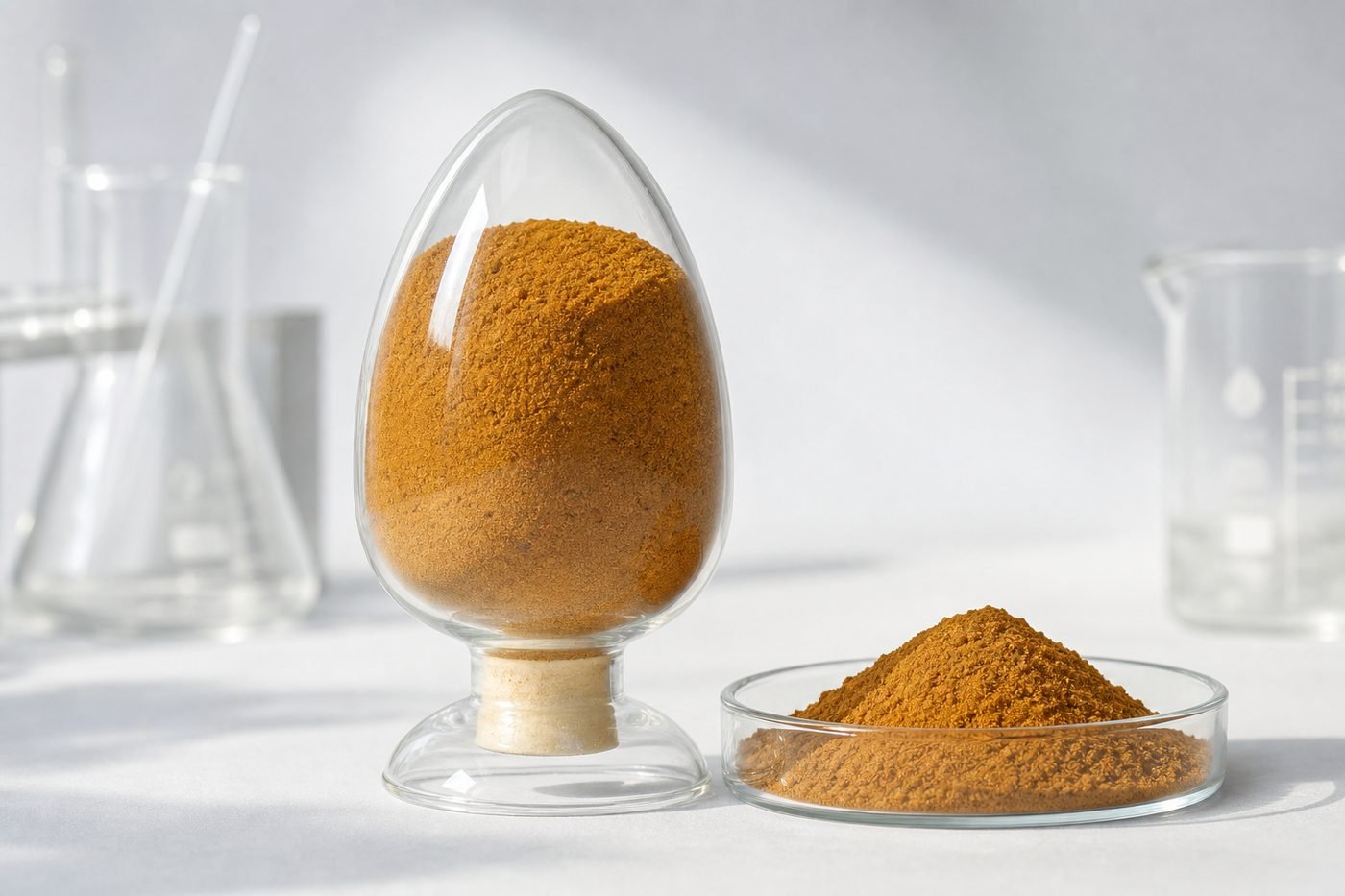
Used for coagulation and impurity removal in selected wastewater conditions. Helps support more stable water treatment performance.
Common Questions
The preferred ionic type and grade depend on mineralogy, solids, water chemistry, and the required settling or dewatering result.
They are discussed where coagulation, turbidity reduction, or impurity removal is needed before or alongside flocculation.
Share the water source, solids, pH, turbidity, current chemical, dosage, settling time, and treatment target.
Sample or jar-test discussion can begin once the water conditions and comparison objective are clear.
Site Use and Supply
Buyers usually want two things at this stage: where the chemistry is used on site, and whether supply looks stable enough for repeat orders. These references answer both quickly.
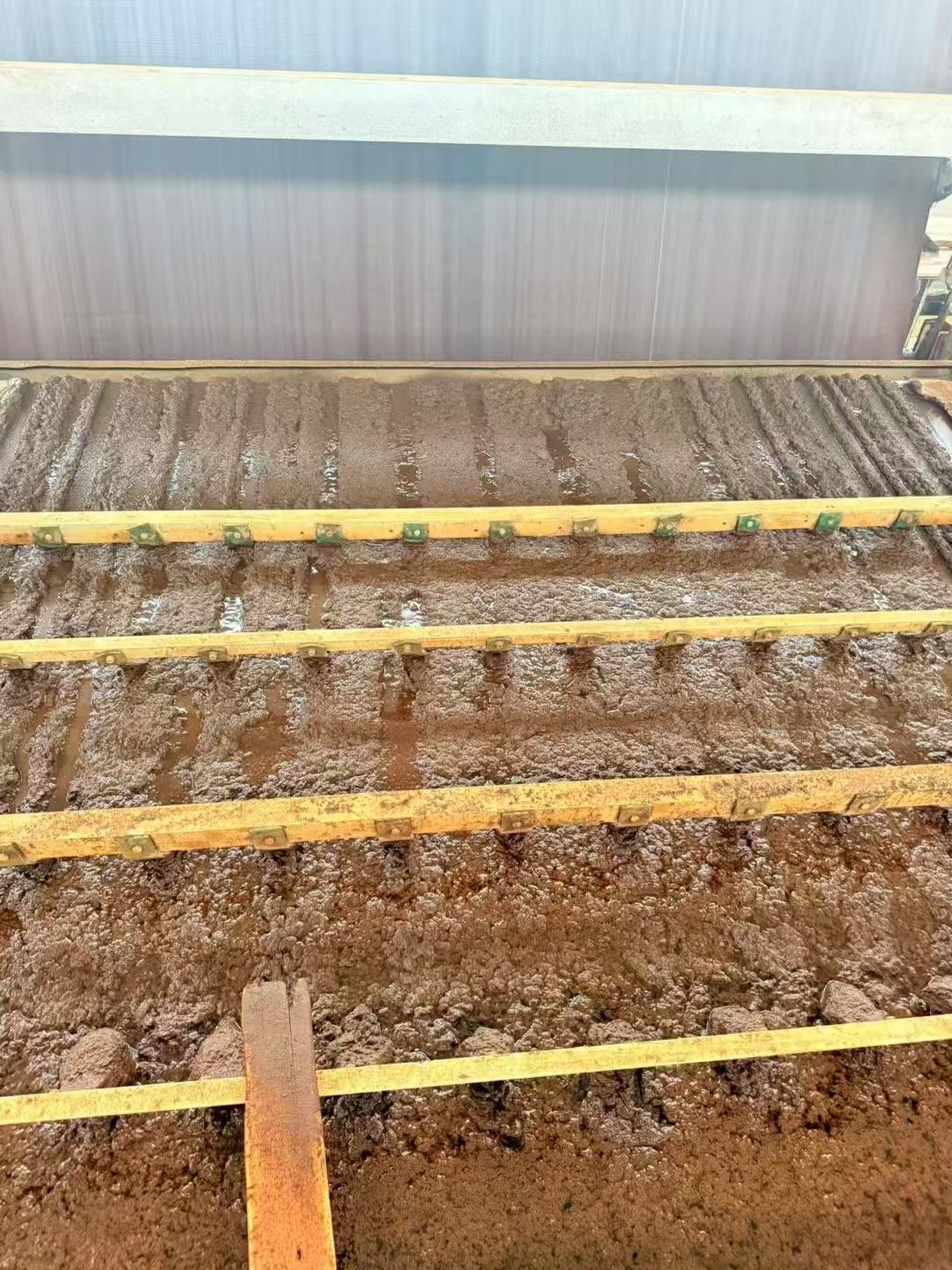
Used to support faster settling and cleaner overflow in real slurry conditions.
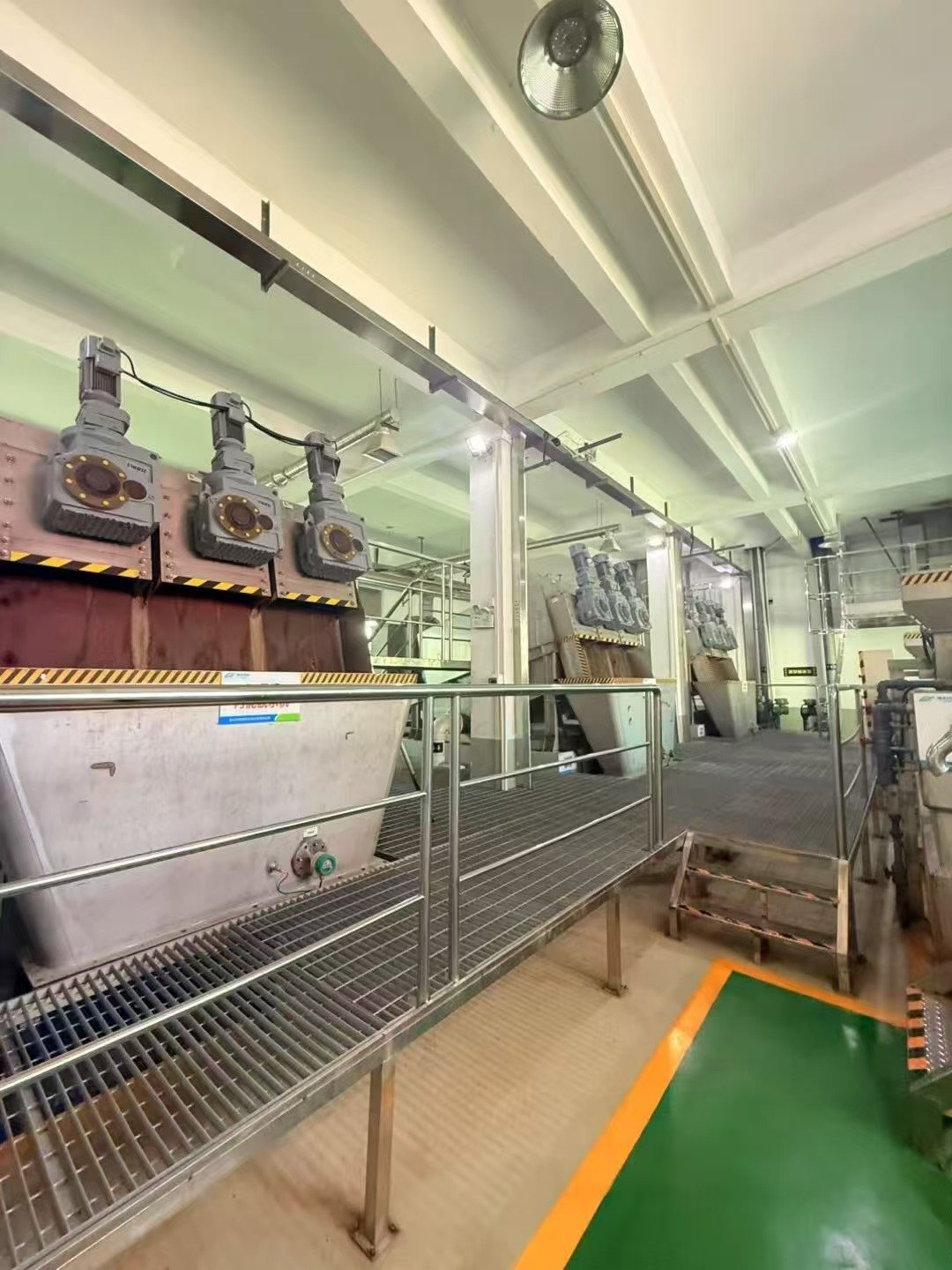
Suitable for treatment lines where stable operation matters as much as chemistry choice.
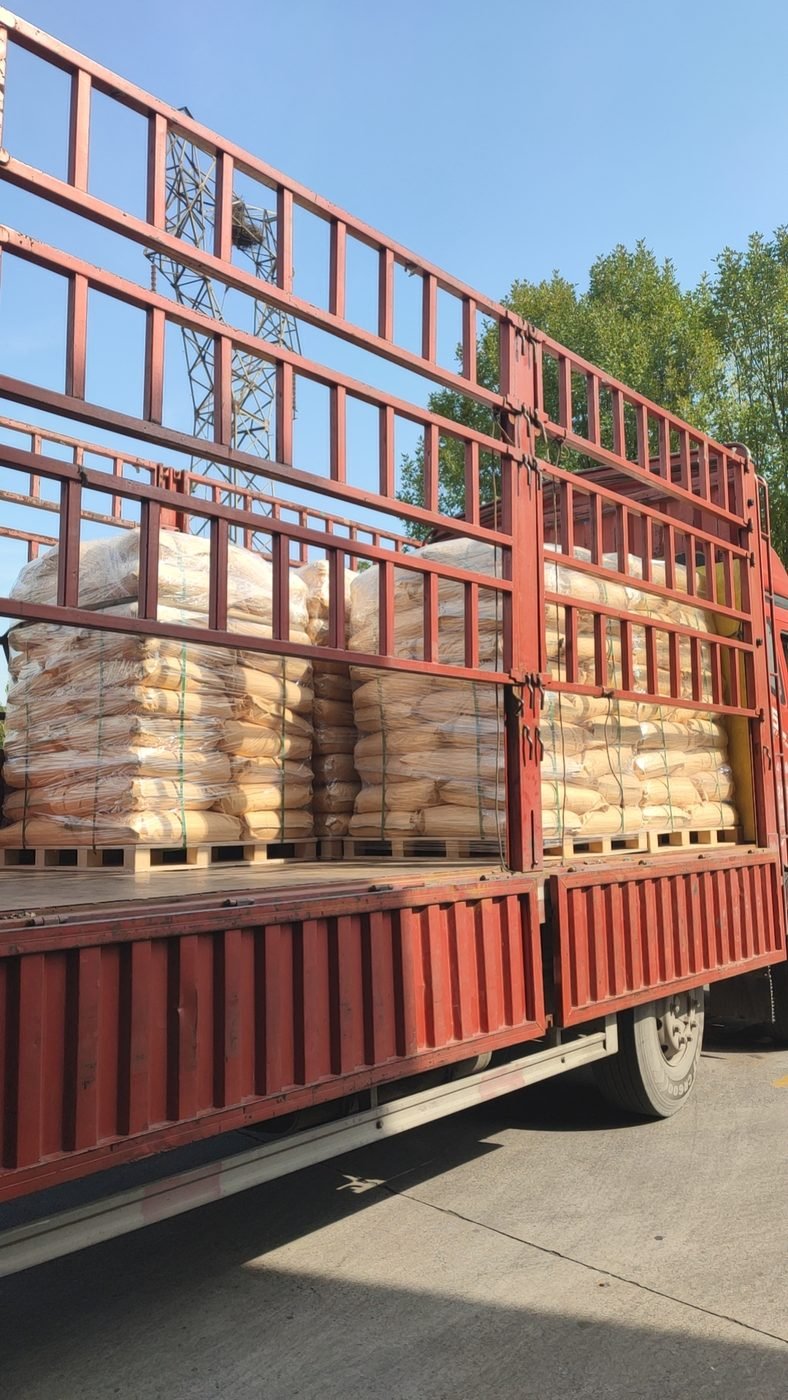
Shows export and bulk-delivery readiness for projects that need repeatable supply.
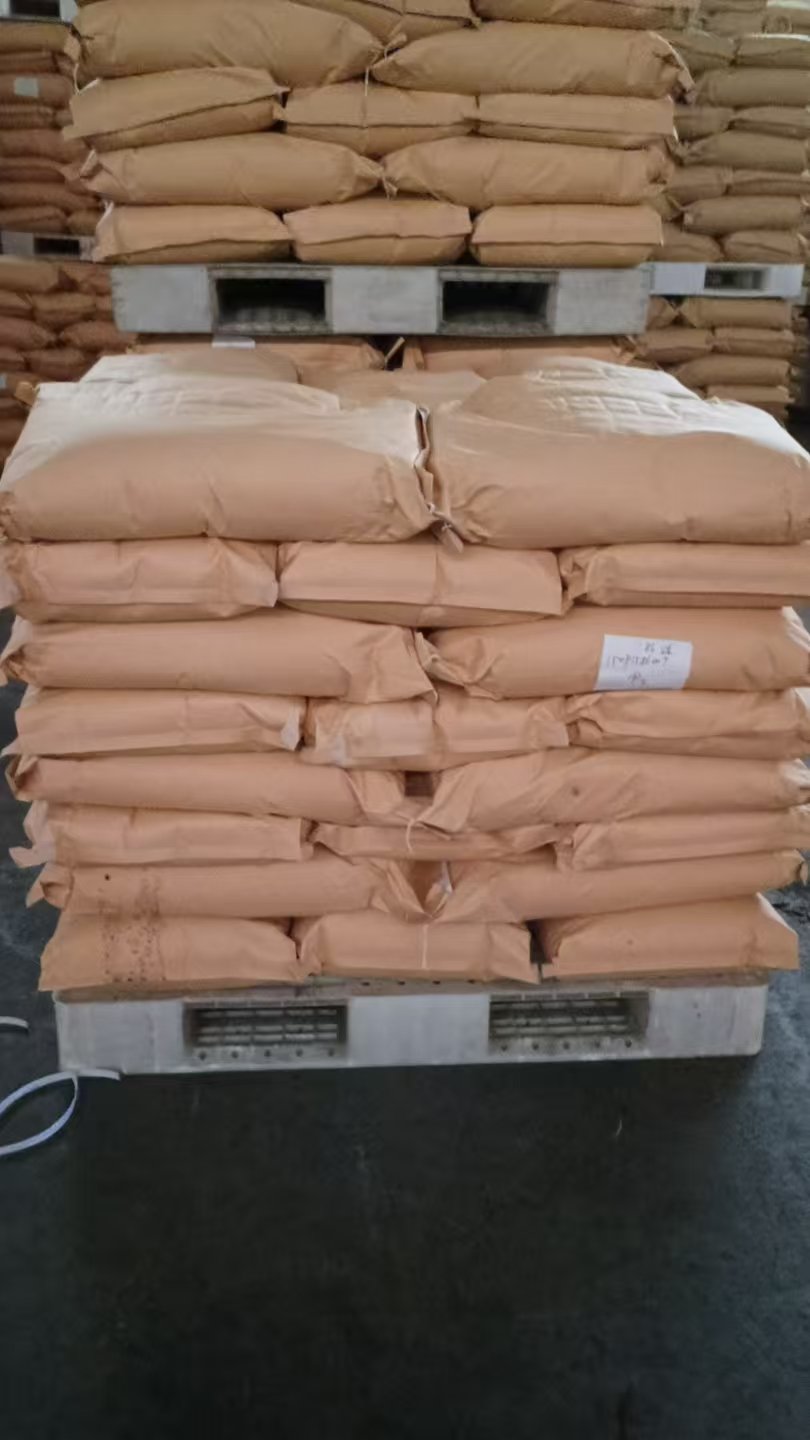
Palletized stock helps present a more grounded picture of supply-side readiness.
Technical Support
Send the slurry or wastewater source, solids content, pH range, current treatment issue, target clarity or dewatering result, and whether the water is for recycle or discharge handling. That gives us a practical basis for discussing product type, dosage range, testing method, and supply.